
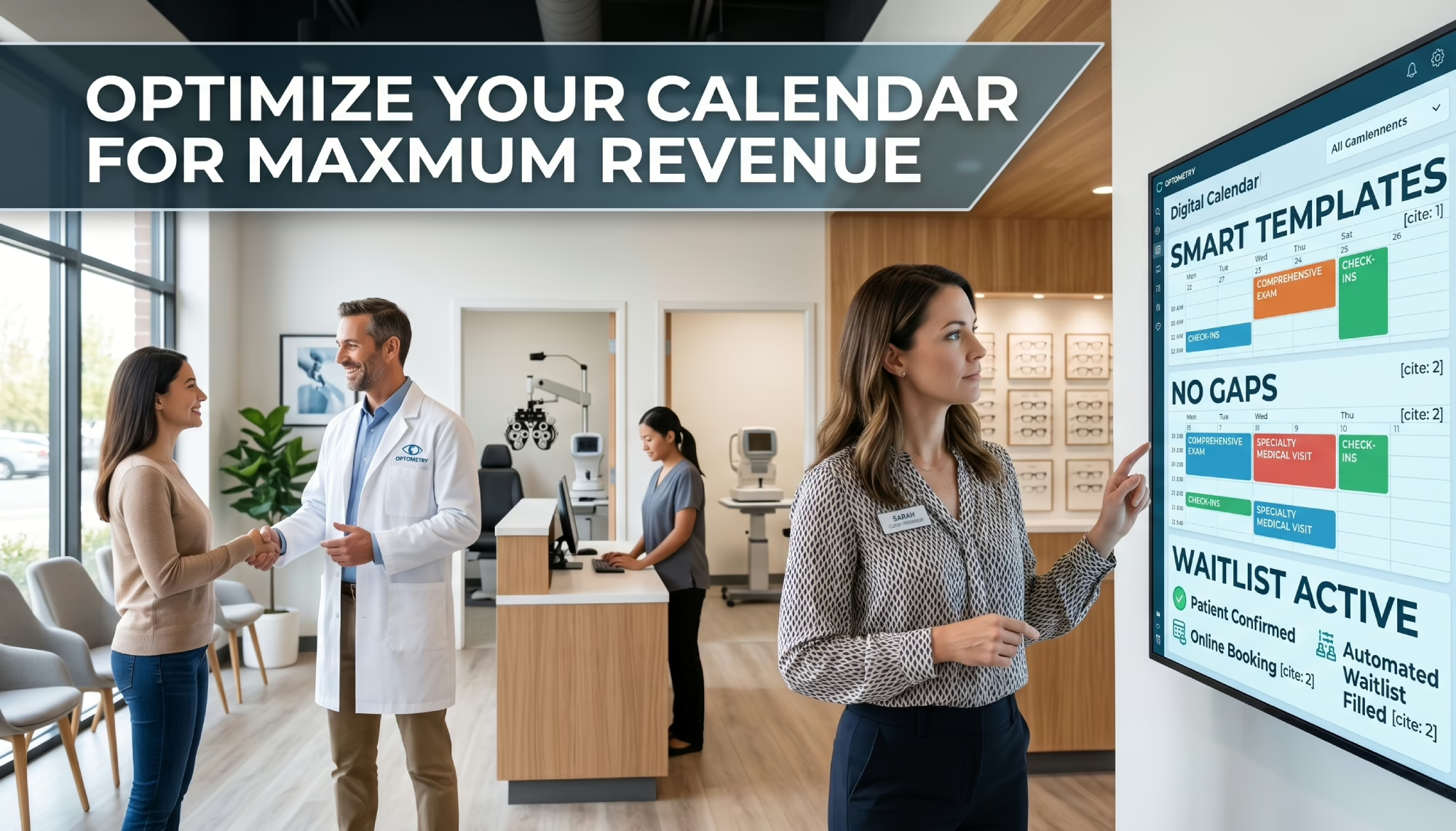
Your appointment calendar isn’t just a scheduling tool-it’s one of the most powerful revenue drivers in your optometry practice. A poorly optimized calendar leads to gaps, inefficiencies, and lost income. A well-structured one maximizes patient flow, improves staff productivity, and ensures every available slot contributes to your bottom line.
Here’s how to optimize your appointment calendar for maximum revenue in 2026.
Analyze Your Appointment Types and Profitability
Not all appointments generate the same revenue. Comprehensive eye exams, specialty services, and medical visits often bring in more than quick checks or low-margin services.
Start by reviewing:
- Average revenue per appointment type
- Time required for each visit
- Demand patterns
Use this data to prioritize high-value appointments during your most in-demand time slots.
Implement Smart Scheduling Templates
A one-size-fits-all schedule leads to inefficiencies. Instead, create structured scheduling templates that align with your practice’s workflow.
For example:
- Reserve mornings for comprehensive exams
- Batch similar appointment types together
- Allocate specific slots for high-revenue services
This reduces downtime between appointments and helps your team operate more efficiently.
Minimize Gaps and Dead Time
Small gaps in your schedule may not seem like a big deal, but they add up to significant lost revenue over time.
To reduce gaps:
- Use buffer times strategically (not excessively)
- Avoid overblocking your schedule
- Train staff to book appointments tightly and efficiently
Even filling one extra slot per day can have a meaningful impact on your monthly revenue.
Leverage Waitlists to Fill Last-Minute Openings
Cancellations and no-shows are inevitable-but lost revenue doesn’t have to be.
A digital waitlist allows you to quickly fill open slots with patients who are ready to come in sooner. Automated notifications can alert patients when an earlier appointment becomes available, helping you recover revenue that would otherwise be lost.
Enable Online Scheduling for 24/7 Booking
If patients can only book during office hours, you’re limiting your revenue potential.
Online scheduling allows patients to book anytime, increasing the likelihood that open slots get filled especially outside of business hours. It also reduces missed opportunities from unanswered calls.
Modern solutions like EyeSchedule by EyeAppoint make it easy to:
- Show real-time availability
- Automatically fill gaps
- Reduce front desk workload
The easier it is to book, the more appointments you’ll capture.
Reduce No-Shows with Automated Reminders
Missed appointments are one of the biggest threats to revenue.
Automated reminders via text and email can significantly reduce no-show rates by keeping appointments top of mind. You can also include easy rescheduling options, allowing patients to adjust their time instead of canceling altogether.
Use Data to Continuously Improve
Calendar optimization isn’t a one-time task-it’s an ongoing process.
Track key metrics such as:
- Utilization rate
- No-show rate
- Average revenue per hour
- Appointment lead time
Use this data to refine your scheduling strategy, adjust templates, and identify new opportunities for growth.
Align Staffing with Patient Demand
An optimized calendar only works if your staffing supports it.
Make sure:
- Peak hours are fully staffed
- Specialized services have the right personnel available
- Staff schedules align with high-demand appointment types
This ensures you can handle increased volume without bottlenecks or burnout.
Final Thoughts
Optimizing your appointment calendar is one of the fastest ways to increase revenue without adding more marketing or overhead.
By structuring your schedule strategically, reducing gaps, and leveraging tools like online scheduling and automated waitlists, your optometry practice can:
- Increase daily appointment volume
- Maximize high-value services
- Improve operational efficiency
- Capture more revenue from existing demand
In a competitive landscape, the practices that win aren’t just busier-they’re smarter about how they schedule.