
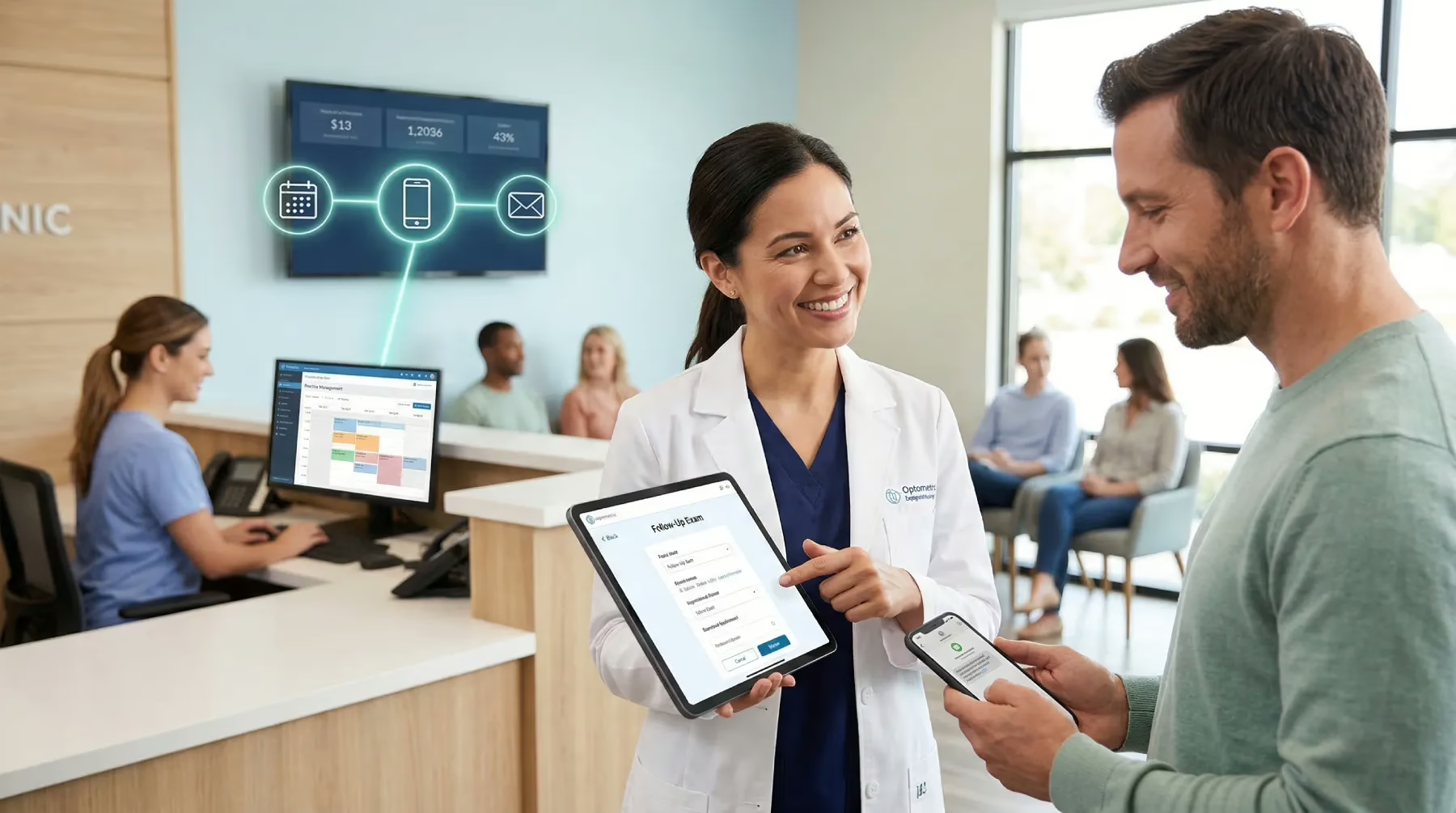
The Follow-Up Gap in Optometry
A common challenge in optometric practices is the number of patients who leave without scheduling recommended follow-ups—whether for dry eye management, glaucoma monitoring, or contact lens checks.
Manual recall systems often produce inconsistent results, leading to gaps in care and lost revenue.
Automated scheduling offers a more reliable approach. By streamlining reminders and booking processes, practices can improve patient retention, increase compliance, and create more predictable revenue cycles.
Why Follow-Ups Matter Clinically and Financially
Clinical Risks of Missed Follow-Ups
Follow-up visits are critical for managing chronic and progressive eye conditions. Without proper monitoring:
- Glaucoma and macular degeneration may worsen undetected
- Diabetic eye conditions can progress without intervention
- Contact lens complications may go unmanaged
- Dry eye treatment plans lose effectiveness without staged care
Consistent follow-ups ensure better outcomes and reduce long-term risk.
Revenue and Retention Impact
From a business perspective, follow-ups:
- Drive ongoing medical billing opportunities
- Support long-term treatment plans
- Increase patient lifetime value
Retaining existing patients is significantly more cost-effective than acquiring new ones, making follow-up adherence a key growth lever.
What Is Automated Scheduling in Optometry?
Automated scheduling uses technology to simplify and optimize the appointment process. Key features include:
- Online self-booking integrated with your EHR system
- Automated SMS and email recall reminders
- Real-time rescheduling links
- Waitlist automation to fill last-minute cancellations
This reduces administrative burden while improving the patient experience.
Strategies to Increase Follow-Ups Using Automation
1. Pre-Book Before the Patient Leaves
The most effective strategy is to schedule follow-ups immediately after the exam. Automation then reinforces that appointment with confirmations and reminders—eliminating reliance on patient memory.
2. Trigger Condition-Specific Recall Campaigns
Generic reminders are less effective. Instead, segment recalls based on diagnosis:
- Dry eye: 4-6 week follow-up
- Glaucoma suspects: intraocular pressure checks
- Contact lens fittings: short-term follow-up visits
Personalized messaging improves compliance and reinforces medical necessity.
3. Use Multi-Touch Reminder Sequences
A single reminder is rarely enough. Implement a sequence:
- Initial reminder
- Follow-up message if unbooked
- Final “urgency” reminder for medical follow-up
This increases response rates and reduces missed care.
4. Enable Self-Service Rescheduling
Life happens—patients reschedule. Make it easy:
- Provide one-click rescheduling links
- Use automated waitlists to backfill cancellations
This minimizes no-shows and keeps schedules full.
Optimize Staff Workflow
Automation doesn’t replace your team—it enhances them. To maximize results:
- Assign a staff member to monitor recall dashboards
- Train front desk teams to explain the importance of follow-ups
- Use scripting to clearly communicate medical necessity
When staff and systems work together, compliance improves significantly.
Technology Considerations Before Implementation
Before adopting an automated system, ensure it includes:
- Seamless PMS integration
- HIPAA-compliant communication tools
- Reporting and analytics capabilities
- Customizable scheduling templates
The right technology should support both clinical and operational goals.
Common Mistakes to Avoid
Avoid these pitfalls when implementing automated scheduling:
- Sending generic, non-personalized reminders
- Failing to pre-book follow-ups during the visit
- Ignoring automation reports and performance data
- Overbooking without proper time-blocking
A thoughtful setup is essential for long-term success.
Turning Automation Into a Long-Term Care Strategy
Automated scheduling isn’t just about filling appointments—it’s about building continuity of care. Practices can:
- Transition from one-off visits to structured care pathways
- Bundle follow-ups into dry eye or glaucoma programs
- Position themselves as proactive healthcare providers
This approach strengthens both patient outcomes and practice growth.
Conclusion
Automated scheduling is more than a convenience—it’s a powerful clinical and business tool. When implemented strategically, it can:
- Increase follow-up adherence
- Reduce no-shows
- Improve chronic disease management
- Create consistent, year-round booking patterns
Now is the time to evaluate your current recall process and identify where automation can reduce friction, improve patient care, and drive sustainable growth.