
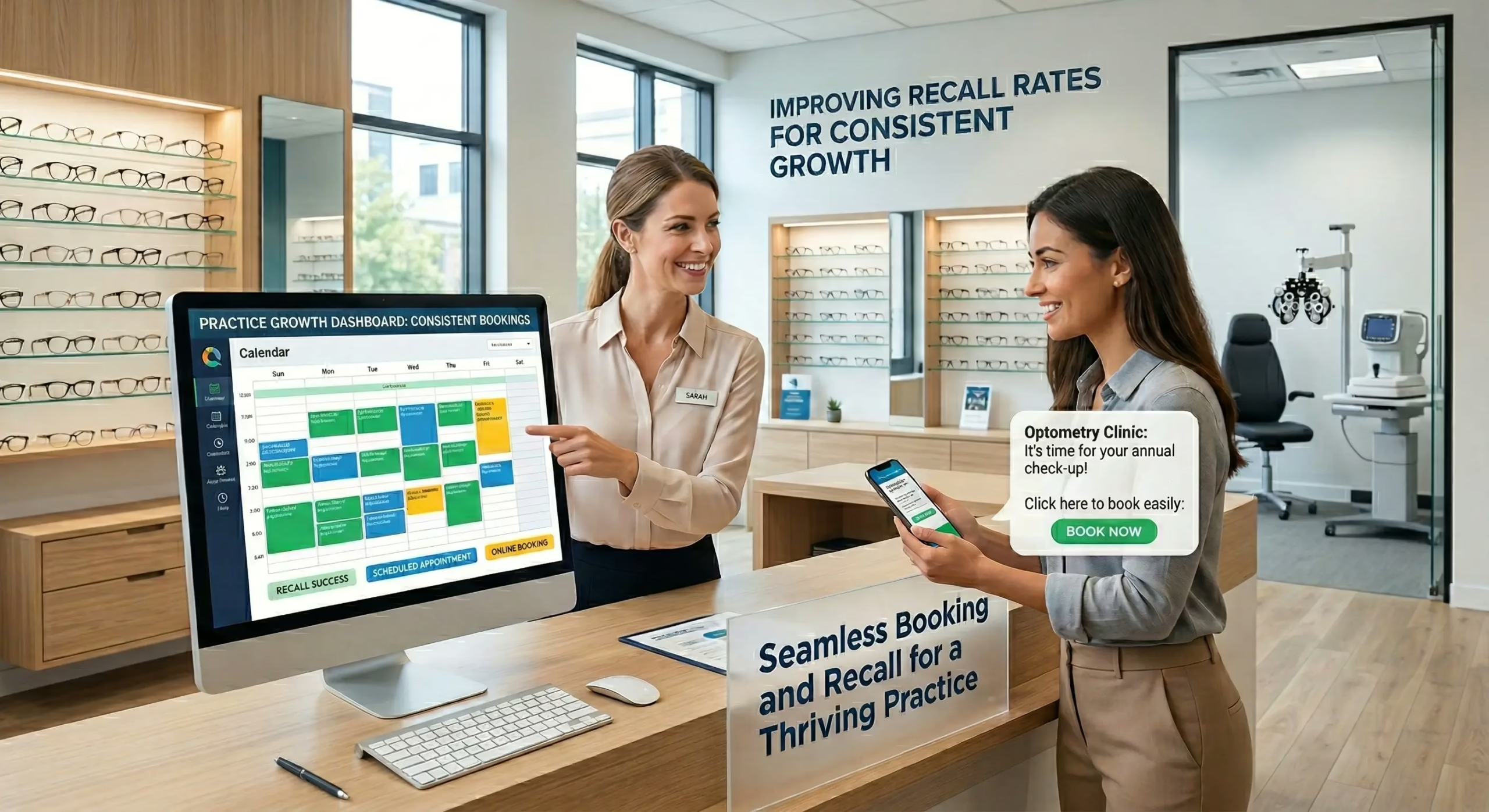
Patient recall is one of the most powerful drivers of consistent revenue in an optometry practice. When recall systems work well, your schedule stays full, patient care improves, and your team spends less time scrambling to fill last-minute openings. The key is having a structured, technology supported approach that makes it easy for patients to return at the right time.
Below are proven techniques to help your practice strengthen recall performance and maintain steady bookings all year long.
Why Recall Matters for Optometry Practices
Recall is more than a reminder, it’s a growth engine. Patients who return regularly are more likely to:
- Maintain better eye health
- Purchase updated eyewear
- Stay loyal to your practice
- Refer friends and family
Without a strong recall process, even satisfied patients can unintentionally fall through the cracks. Over time, that leads to schedule gaps, inconsistent revenue, and increased pressure to acquire new patients.
Proven Recall Techniques That Work
Automated Multi-Channel Communication
Today’s patients have different communication preferences. Some respond best to text while others still prefer phone calls. Automated multi-channel outreach ensures you meet patients where they are.
Best practices:
- Send recall notices via text and email first
- Follow up with phone outreach for non-responders
- Schedule multiple touchpoints (30, 60, and 90 days)
- Include direct booking links in every message
Automation keeps recall consistent without adding manual workload to your front desk.
Telephone Follow-Ups
While automation is essential, personal phone calls can still play an important role.
When to use phone follow-ups:
- Patients overdue by 12+ months
- Medical follow-up visits
- Specialty contact lents patients
- VIP or high-revenue patients
- Patients who indicate they prefer this contact method
Provide your team with simple call scripts and clear call lists so outreach feels efficient, not overwhelming.
Online Self-Service Booking
Recall works best when scheduling is easy. Every recall message should include a frictionless way to book.
Why self-service booking boosts recall:
- Patients can act immediately
- Reduces inbound call volume
- Captures after-hours scheduling
- Improves conversion from reminder to appointment
The fewer steps between reminder and booking, the higher your recall success rate will be.
Technology and Automation Tools
Modern recall performance depends heavily on the right technology stack. Practices relying on manual processes often see inconsistent results.
Key tools to prioritize:
- Integrated recall automation
- Two-way texting
- Real-time online scheduling
- Patient communication dashboards
- Performance reporting
When your systems work together, recall becomes predictable and scalable rather than reactive.
Best Practices for Recall Messaging
Even with great technology, messaging matters. Patients are more likely to respond when communications feel timely, clear, and relevant.
Messaging tips:
- Keep texts short and action-oriented
- Personalize with patient name and provider
- Emphasize benefits
- Include a clear call to action
- Make scheduling easy
Avoid overly clinical or generic language. Friendly and conversational messages tend to perform best.
Conclusion
Strong patient recall isn’t just about sending reminders; it’s about building a reliable system that keeps patients engaged and your schedule consistently full.
By combining automated multi-channel outreach, easy self-service booking, clear staff workflows, and ongoing performance tracking, your practice can transform recall from a reactive task into a predictable growth driver.